Homeowner
-
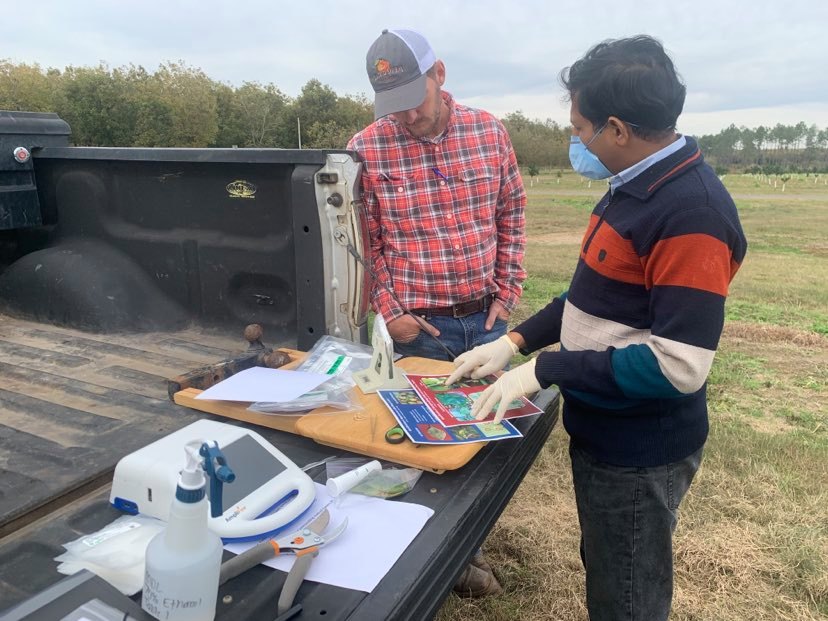
Written By: Emily Cabrera, UGA IPM Communications Coordinator Expert/Source: Ash Sial, UGA IPM Coordinator and blueberry entomologist An impressive team of University of Georgia researchers just received $765,000 from the USDA National Institute of Food and Agriculture Crop Protection and Pest Management Program that supports the continuation of integrated pest management programming throughout the state…
-

Written by: Emran Ali, Phillip M. Brannen, and Tammy Stackhouse Fungicide resistance is a major problem for growers, as it can lead to loss of disease control, reduced yields, and unnecessary expense by applying products that no longer work. Fungal pathogens are managed with a limited number of fungicide classes. There is, therefore, a high…
-
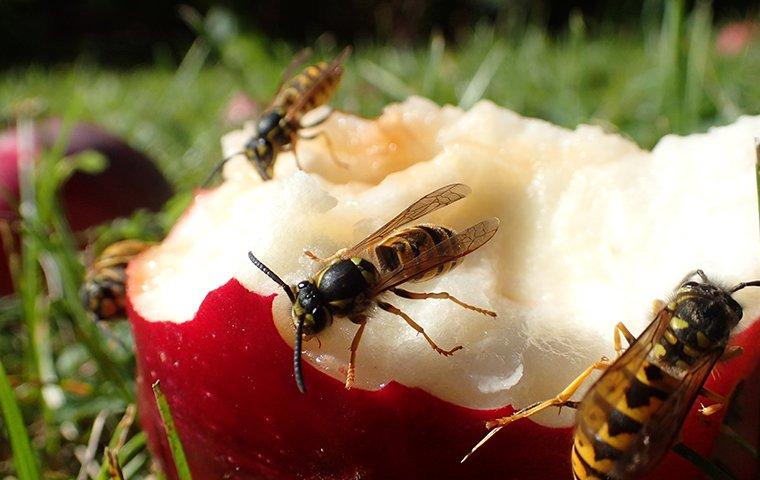
Written By: Emily Cabrera, UGA IPM Communications CoordinatorExpert Source: Dan Suiter, Entomologist, Structural Pest Management Coordinator As the weather cools across the state, several fall insects will begin to take center stage around Georgia homes. Be on the lookout for these nuisance pests and make preparations to deter them from entering your home for the…
-
Written By: Emily Cabrera, UGA IPM Communications CoordinatorExpert Source: Clint Waltz, Extension Turfgrass Specialist With the heat of summer bearing down on us, University of Georgia Extension turfgrass specialists recommend homeowners ‘stick to the schedule’ for healthy lawn maintenance. College of Agricultural and Environmental Sciences Extension turfgrass specialist Clint Waltz says “Just stay on schedule,…
-
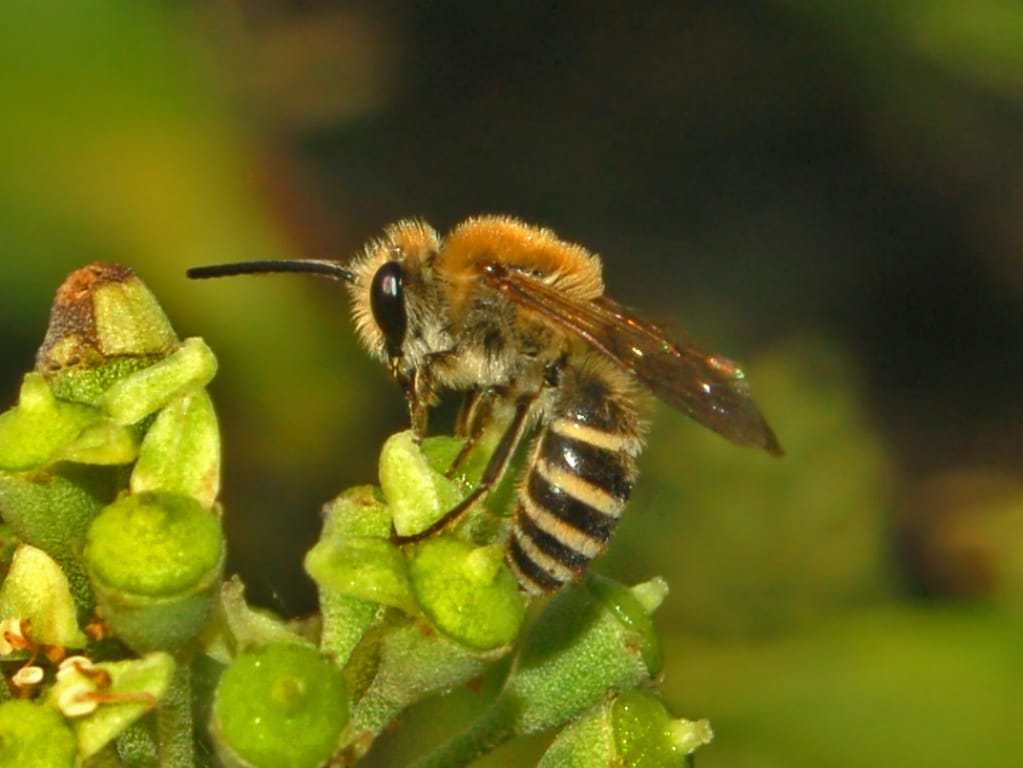
Written By: Emily Cabrera, IPM Communications Coordinator Expert Source: Shimat Joseph, Assistant Professor Entomology Home gardens and urban landscapes have the potential to provide a vast array of habitat for valuable beneficial insects and pollinators, but that doesn’t mean you have to allow pests, weeds and diseases to go unchecked. “Find that balance. You should…
-
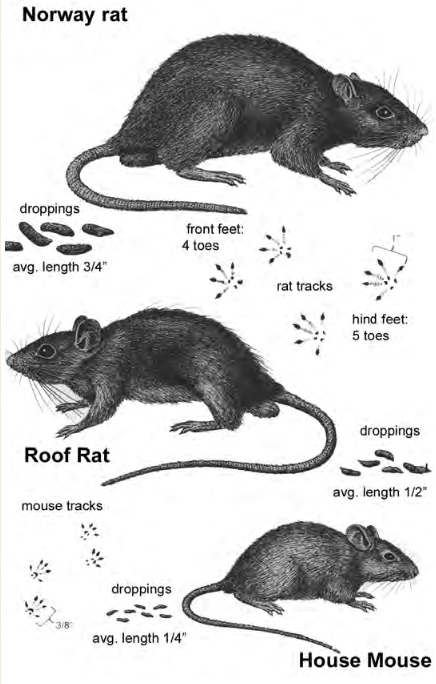
Squirrels, chipmunks, rats, mice, and various overwintering insect pests are among the most common critters that get inside through cracks and gaps in the foundation of homes during winter months – looking for warmth and food. It’s important to prevent these critters from entering homes and buildings, as they can carry various parasites and can…