Prevention
-
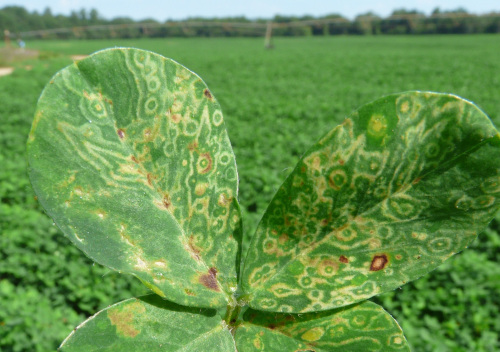
Written By: Emily Cabrera, IPM Communications CoordinatorExpert Source: Mark Abney, Associate Professor of Entomology, University of Georgia Come August, peanut growers will either see that their efforts this past spring to control for Tomato Spotted Wilt Virus paid off or they will most likely be planning ahead for next spring to preventatively manage for this…
Posted in: Chemical control, Commercial, Cover crops, Cultural control, Disease resistance, Insect pests, Peanuts, Prevention -
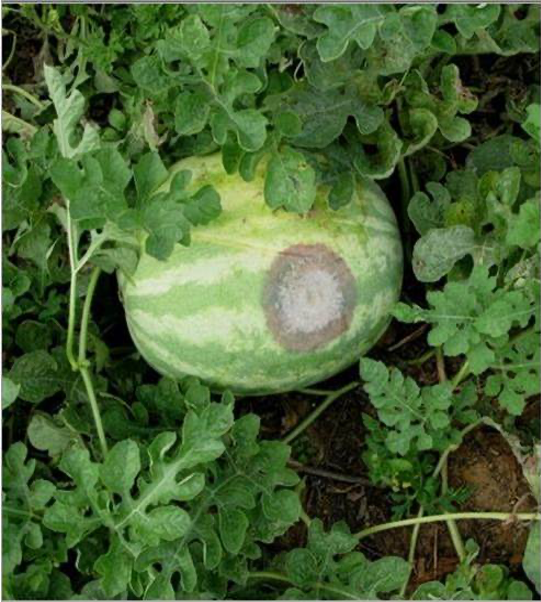
Written by: Emran Ali, Owen Hudson, Justin Hand, and Sumyya Waliullah Georgia ranks among the top three states in the nation in vegetable production. One of the most serious diseases in vegetable production in Georgia is Phytophthora blight, caused by the oomycete pathogen Phytophthora capsici. It is a water mold that attacks the roots, foliage,…
-
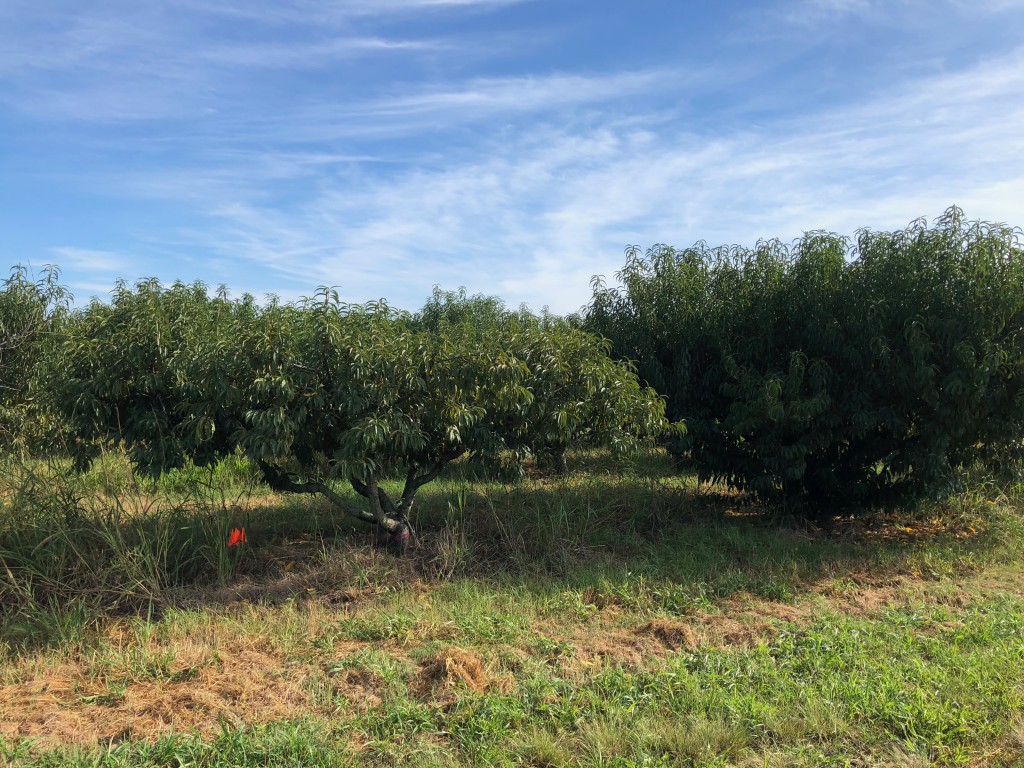
By Kendall Johnson and Phil Brannen Peaches are one of the most economically important fruit crops for the state of Georgia. Growers provide a large variety of high-quality fresh-market peaches for not only the Southeast, but for much of the U.S. Recently, growers have reported an increase in a disease called phony peach, and this…
-
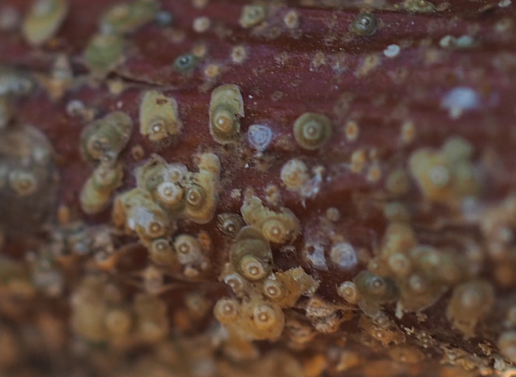
San Jose Scale are predicted to be particularly bad this year for peach growers, as this pest is active in temperatures over 51oF, “so we’ve already had a lot of days for this pest population to grow” said Dr. Brett Blaauw, UGA Peach Entomologist. “This pest is so pervasive in the southeast that we really…
-
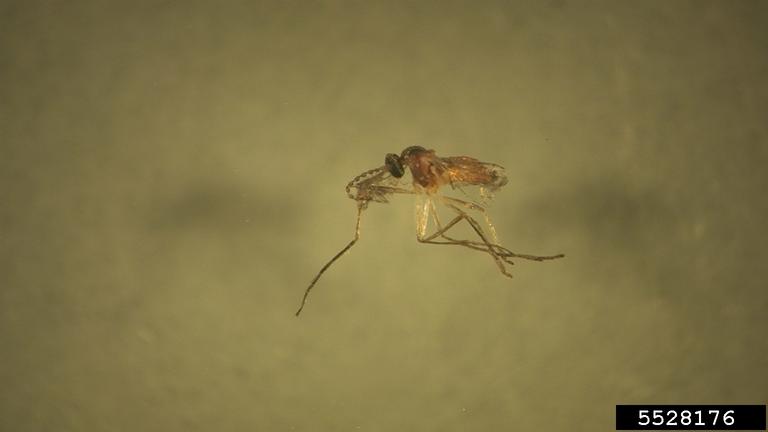
Although blueberry gall midge has historically been referred to as a rabbiteye problem, recently it has been reported to be a concern in some southern highbush fields. The majority of the highbush infestations were primarily reported in older blocks and those surrounded by rabbiteye blueberries. The southern highbush varieties that infestations have been reported include…