Pests
-
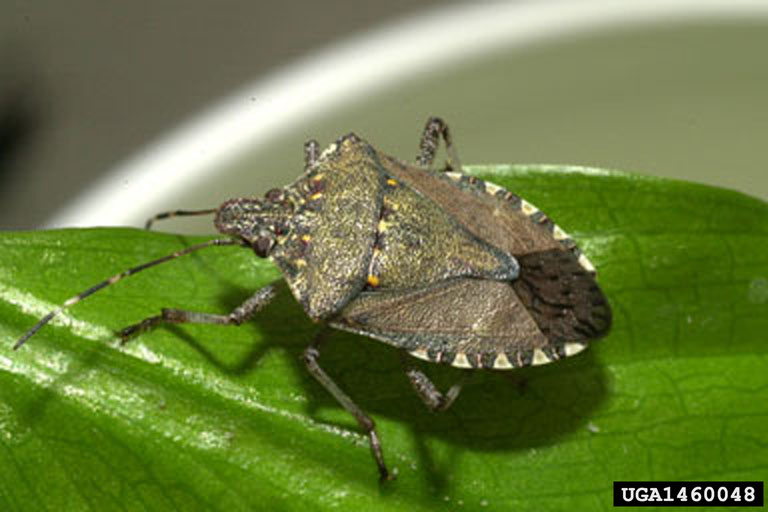
Common name: Brown Marmorated Stink Bug
Posted in: Pest Profiles -
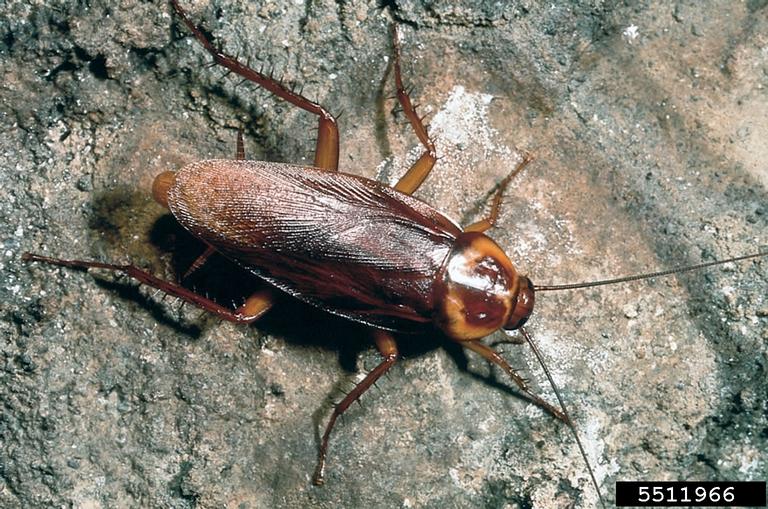
Common name: Cockroaches
Posted in: Pest Profiles -
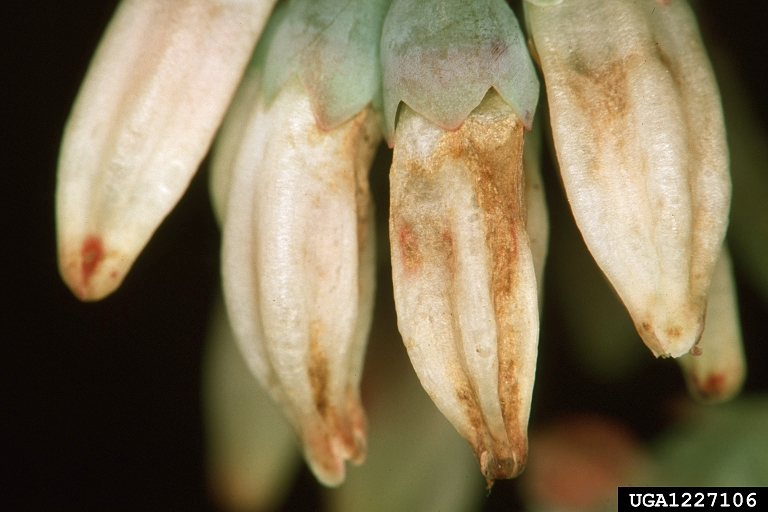
Dr. Ash Sial, Blueberry Entomologist and UGA IPM Program Coordinator Blueberry, blackberry, raspberry, and strawberry growers throughout the southeast region and nationally are invited to attend an upcoming stakeholder listening session where they will be asked to share their experiences, concerns and needs with researchers regarding thrips management in their small fruit production systems. The session will…
Posted in: Biological control, Blueberry, Chemical control, Commercial, Cultural control, Insect pests, Monitoring -
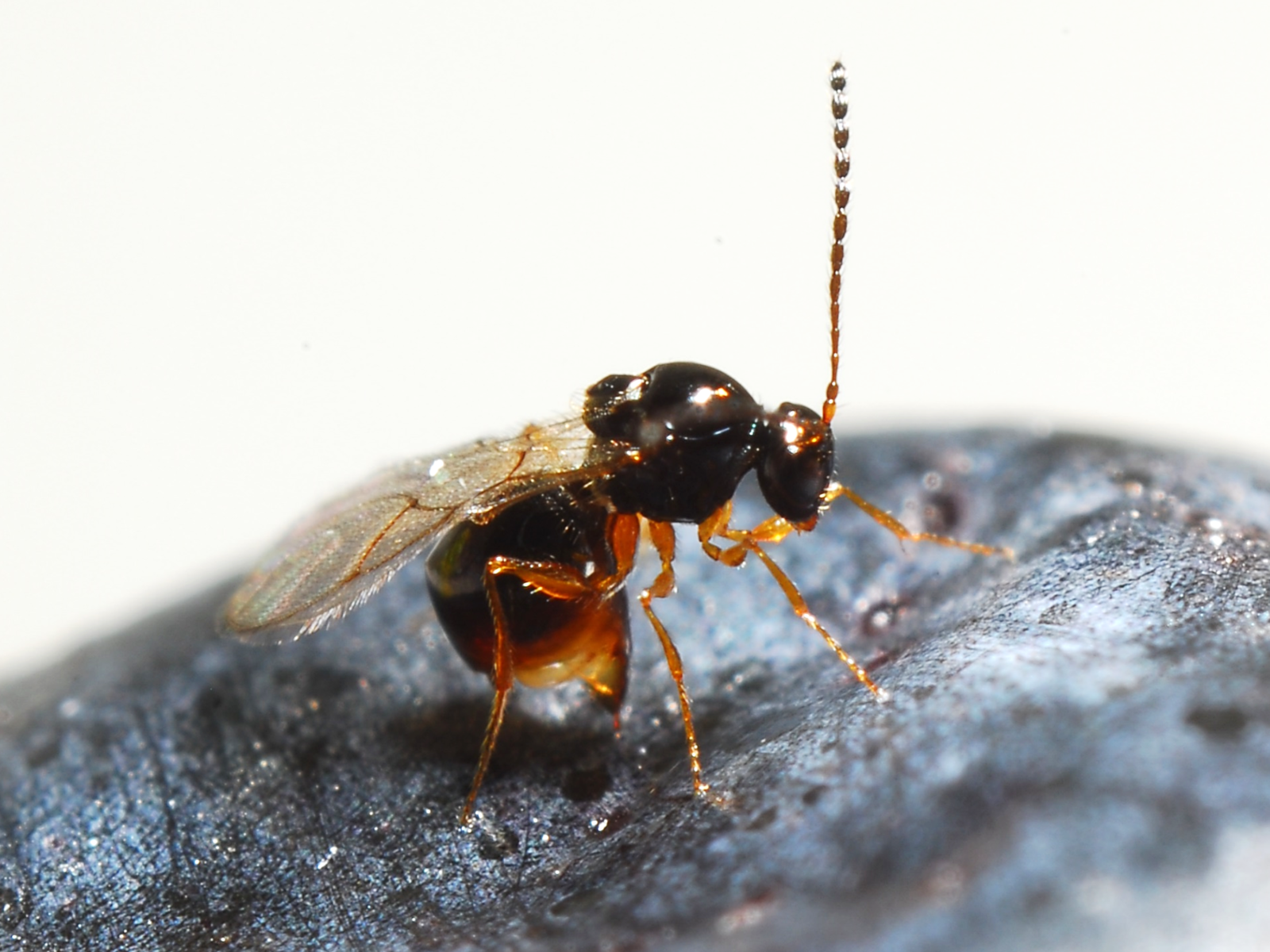
Written by: Emily Cabrera, UGA IPM Communications Coordinator Experts/Sources: Cera Jones, Small Fruit Entomology Lab Manager and Corinne Stouthamer, Research Scientist, University of Georgia In a quiet field of abandoned blueberries and shrubby brush in south Georgia, Cera Jones released hundreds of tiny parasitic wasps into the thicket and watched them fly away, following their natural instinct…
Posted in: Beneficials, Biological control, Blueberry, Insect pests, Invasive pest, Organic, Small fruits, Strawberries -
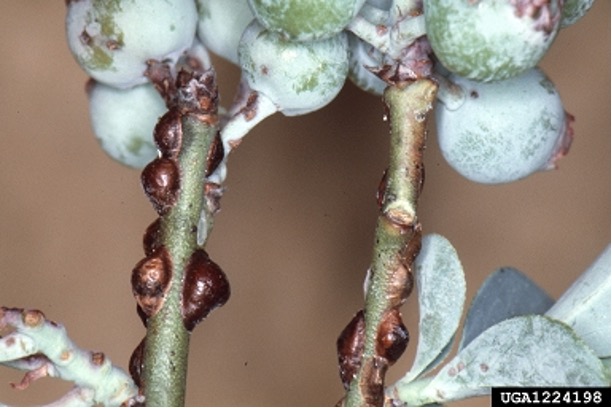
Written By: Dr. Ash Sial, Department of Entomology, University of Georgia Scales are a large group of insects (superfamily Coccoidea) in order hemiptera that are minute to small in size and sexually dimorphic – males and females are distinctly different in appearance (Daly et al. 1998). They have unusual lifecycle; females have incomplete metamorphosis (egg-immatures-adult),…
-
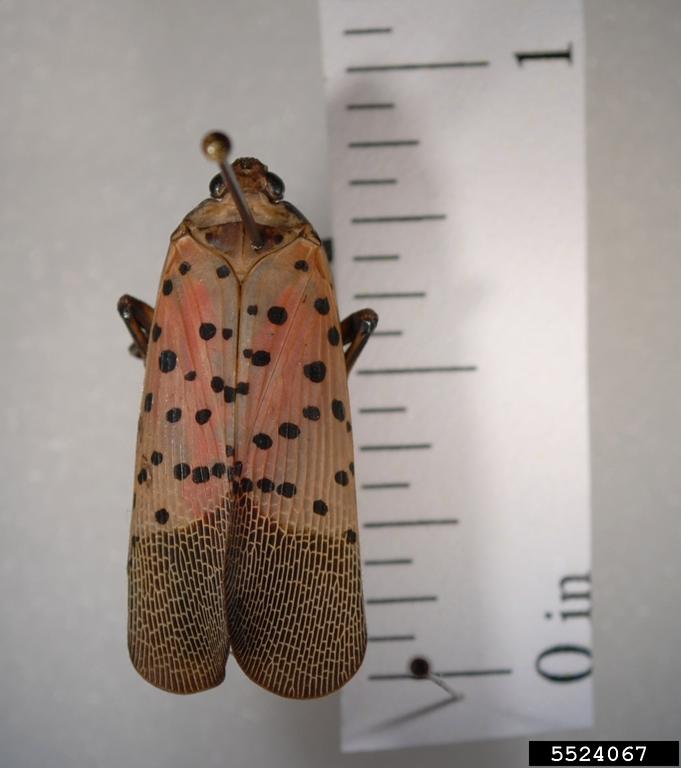
Written by: Emily Cabrera, UGA IPM Communications Coordinator Experts/Sources: Elizabeth McCarty, Forest Health Specialist, University of Georgia and Rebekah Wallace, EDDMapS Coordinator & Bugwood Images Coordinator, Center for Invasive Species and Ecosystem Health As of June 2022, North Carolina has an established population of Lycorma delicatula, an invasive insect pest of trees and vines including a…
-
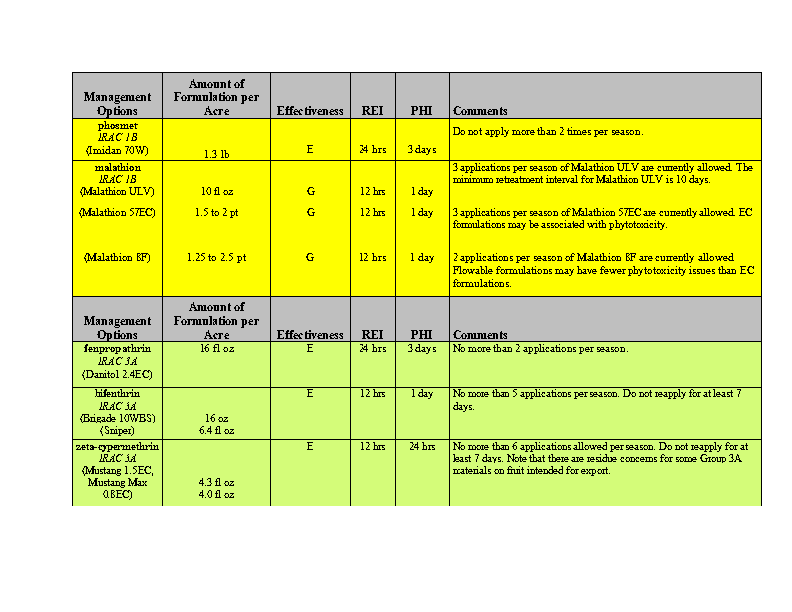
Written by: Ash Sial, Department of Entomology, University of Georgia Spotted-wing drosophila (SWD, Drosophila suzukii) is an invasive pest of soft skinned fruit in the United States and has been detected throughout the southeast. Infestations were observed in some blueberries. SWD damage is similar to blueberry maggot. Female flies lay their eggs in ripening and ripe…
-
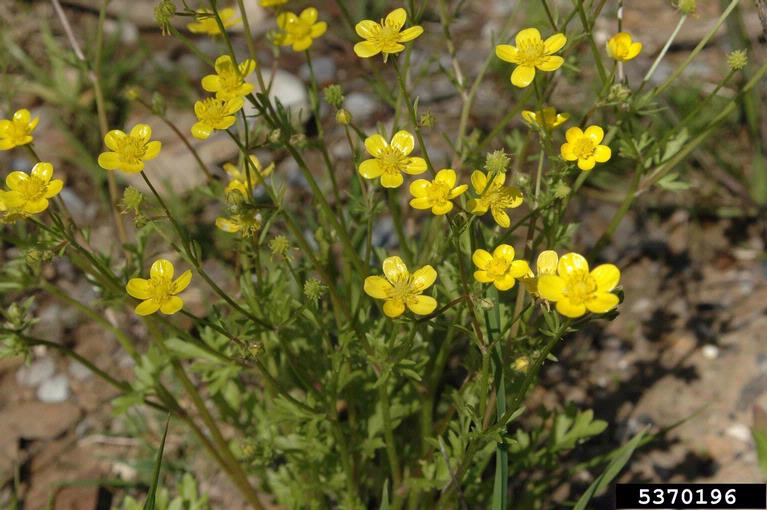
Written by: Heather Kolich, Forsyth County Extension Coordinator, University of Georgia Driving around the county recently, I’ve noticed numerous pastures with some to a lot of coverage in blooming buttercups. While the yellow flowers add pleasant color to the landscape, their presence in the pasture is a potentially toxic nuisance to livestock. BIOLOGYButtercups (Ranunculus spp.)…
-
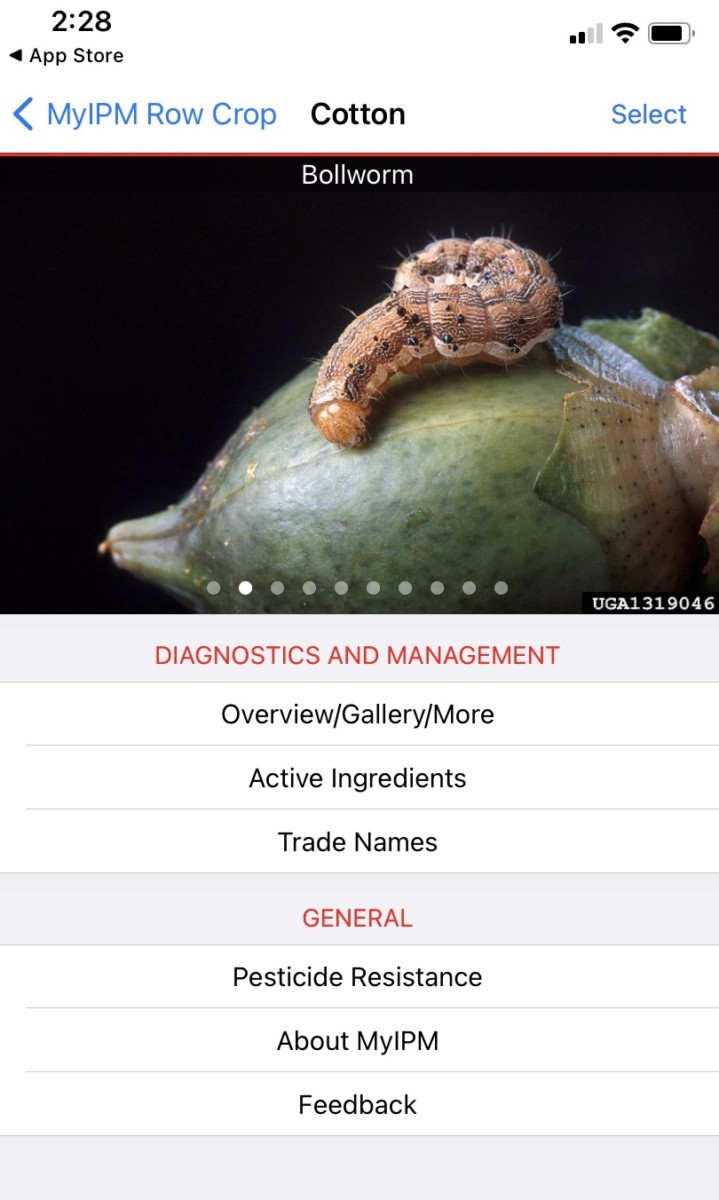
Written by: Emily Cabrera, UGA IPM Communications CoordinatorExpert/Source: Dr. Brett Blaauw, Assistant Professor & Peach Specialist, University of Georgia A new insect wreaking havoc in your cotton field? Troublesome disease in your peanut stand you don’t recognize? No idea where to start? Well, there’s an app for that. This year, farmers have a new tool…